

The history of reflective vests is a fascinating journey that intertwines with the development of safety standards, technological advancements, and the evolving needs of various industries. As a reflective vest supplier, I've had the privilege of witnessing firsthand how these simple yet vital pieces of safety equipment have transformed over the years.
Early Beginnings
The concept of using reflective materials for safety can be traced back to the early 20th century. During this time, the automotive industry was rapidly expanding, and road safety became a growing concern. Engineers and inventors began exploring ways to make pedestrians and workers more visible in low - light conditions.
The first reflective materials were relatively primitive. They were often made from simple materials like glass beads or metal flakes that were embedded in a fabric or paint. These early reflective elements were not very efficient, but they represented an important first step in the development of reflective safety gear.
In the 1930s, some early experiments were conducted to use reflective tape on clothing. This was mainly for the purpose of making cyclists and pedestrians more visible on the roads. However, these early attempts were limited in scope and effectiveness. The reflective tape was not very durable, and the manufacturing processes were not well - developed, resulting in inconsistent quality.
The Rise of Industrial Safety
As industries such as construction, mining, and transportation grew in the mid - 20th century, the need for better safety equipment became increasingly apparent. Workers in these industries faced numerous hazards, including low - light conditions, moving vehicles, and machinery. Reflective vests started to gain popularity as a cost - effective and practical solution to improve worker visibility.
In the 1950s and 1960s, new technologies emerged that allowed for the production of more reliable and efficient reflective materials. One of the most significant breakthroughs was the development of retroreflective sheeting. Retroreflective materials work by reflecting light back towards its source, making the wearer highly visible even in the dark. This technology was initially used in traffic signs and later adapted for use in safety clothing.
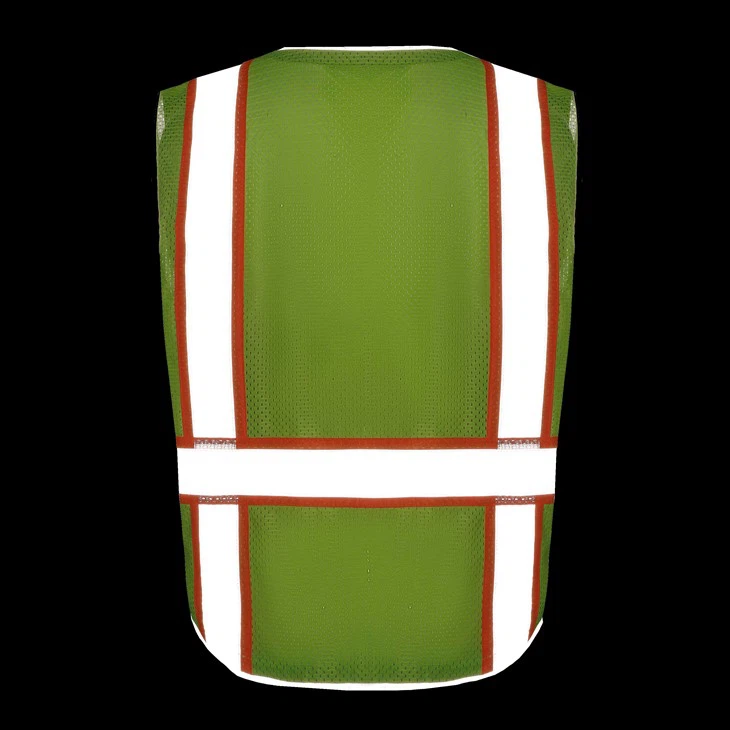

The first industrial - grade reflective vests were simple in design. They were typically made of a bright base color, such as orange or yellow, with strips of retroreflective tape sewn onto the front and back. These vests were a significant improvement over earlier safety gear, as they made workers much more visible to drivers and other equipment operators.
Standardization and Regulation
In the 1970s and 1980s, governments and safety organizations around the world began to recognize the importance of reflective vests in preventing accidents. As a result, a series of standards and regulations were introduced to ensure the quality and effectiveness of these safety products.
In the United States, the Occupational Safety and Health Administration (OSHA) established guidelines for the use of high - visibility safety apparel in the workplace. These guidelines specified the minimum amount of reflective material required, the color standards, and the durability requirements for reflective vests. Similar standards were also introduced in other countries, such as the European Union's EN 20471 standard.
The introduction of these standards had a profound impact on the reflective vest industry. Manufacturers were forced to improve their production processes and quality control measures to meet the new requirements. This led to a significant increase in the quality and reliability of reflective vests available on the market.
Technological Advancements
In recent decades, reflective vests have continued to evolve with the advancement of technology. One of the most notable developments is the introduction of LED - enhanced reflective vests. These vests incorporate small LED lights that can flash or remain constantly lit, providing an even higher level of visibility, especially in extremely low - light or adverse weather conditions.
The Reflective Vest Led Flash is a prime example of this technological innovation. These vests are popular among emergency responders, cyclists, and outdoor workers who need to be highly visible in all situations. The LED lights can be powered by batteries, and some models even have adjustable settings to control the flashing pattern and intensity.
Another area of development is the improvement of reflective materials themselves. Modern reflective vests use advanced microprismatic technology, which offers better reflectivity and durability compared to older glass - bead - based materials. Microprismatic reflective materials are also more flexible and lightweight, making the vests more comfortable to wear for extended periods.
Diverse Applications
Today, reflective vests are used in a wide range of industries and applications. In addition to construction, mining, and transportation, they are also commonly used in sports, events management, and emergency services.
For example, cyclists and runners often wear reflective vests to increase their visibility on the roads, especially when exercising at dawn or dusk. Event organizers use reflective vests to identify their staff and volunteers, making it easier for attendees to find assistance. Emergency responders, such as firefighters and paramedics, rely on high - visibility reflective vests to ensure their safety while working in dangerous and chaotic environments.
Color and Design Variations
Reflective vests come in a variety of colors and designs to suit different needs and preferences. The traditional bright orange and yellow colors are still widely used in industrial settings, as they are highly visible and associated with safety. However, there are also other color options available, such as Silver Reflective Vest and White Reflective Vests.
Silver reflective vests are often used in high - tech or security applications, as they give a more modern and professional look. White reflective vests are popular in some industries where a cleaner and more visible color is required, such as in food processing or cleanroom environments.
The Future of Reflective Vests
Looking ahead, the future of reflective vests is likely to be shaped by further technological advancements and changing safety requirements. We can expect to see more integration of smart technologies, such as sensors and communication devices, into reflective vests. For example, vests could be equipped with sensors to detect a worker's vital signs or proximity to dangerous equipment.
There will also be a continued focus on improving the comfort and functionality of reflective vests. Manufacturers will strive to develop lighter, more breathable materials that can be worn in a wider range of weather conditions without sacrificing visibility or safety.
Contact for Procurement
If you are interested in procuring high - quality reflective vests for your organization, whether it's for industrial use, sports, or event management, we are here to help. We offer a wide range of reflective vests, including the latest LED - enhanced models, in various colors and designs to meet your specific needs. Contact us today to start a conversation about your procurement requirements and how we can provide the best safety solutions for you.
References
- OSHA. (n.d.). High - Visibility Safety Apparel. Retrieved from OSHA official website.
- European Committee for Standardization. (2013). EN 20471:2013 High - visibility warning clothing for professional use. Brussels: CEN.
- Various industry reports and publications on safety equipment and reflective materials.